Intermountain Health Study Finds Earlier Septic Shock Treatment Doesn't Improve Outcomes
Oct 15, 2026
New Intermountain Health Study Finds Escalating Treatment Earlier for Patients with Life-Threatening Septic Shock Doesn't Improve Survival or Recovery
SALT LAKE CITY, UT (PRUnderground) October 15th, 2026
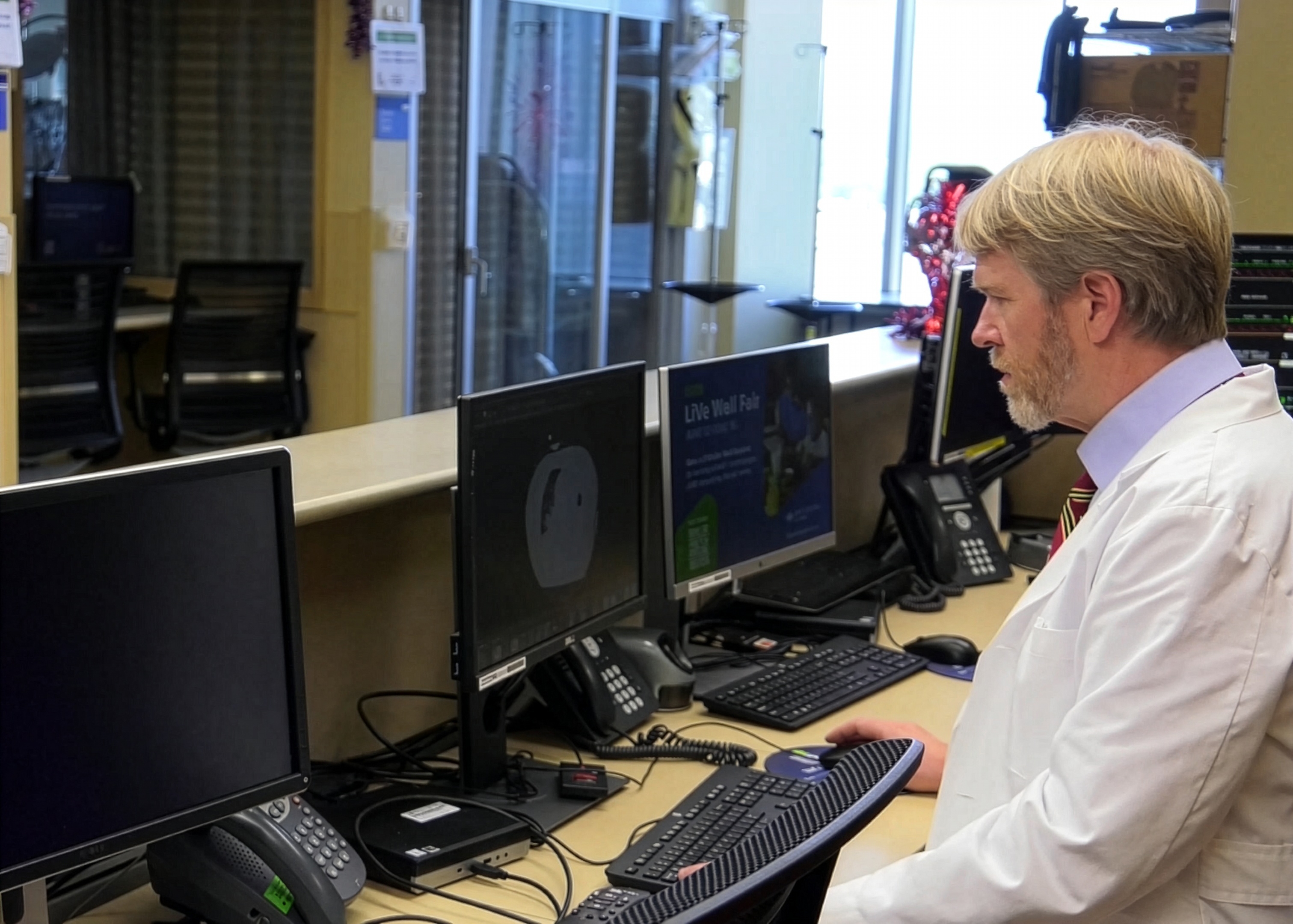
Intermountain Health researchers in Salt Lake City recently released a study that found starting an advanced medication earlier for critically ill patients with life-threatening septic shock does not improve their survival, shorten hospital stays, or improve their recovery compared with waiting until their condition potentially worsens.
These new research findings provide clinicians with important evidence to guide best-practice treatment decisions for patients with septic shock, a severe form of sepsis that causes dangerously low blood pressure and contributes to an estimated one in three hospital deaths nationwide.
Sepsis is one of the most common and deadly medical emergencies that affects 1.7 million Americans each year. It occurs when the body's response to an infection damages its own tissues and organs. Septic shock occurs when this response causes blood vessels to dilate too much, resulting in blood pressure so low that it impairs the flow of blood and oxygen in the body to vital organs such as the brain, kidneys, and heart.
Sepsis is also a leading cause of intensive care unit admissions and one of the most expensive conditions treated in U.S. hospitals, costing billions to treat annually, so developing best-practice guidelines for treatment is vital, researchers note.
The new Intermountain Health study, published this week in JAMA, found clinicians can safely wait to see whether a patient's shock worsens before starting vasopressin, a medication that is a naturally occurring hormone, to restore blood pressure when first-line medications related to adrenaline are not enough.
Doctors use medications called vasopressors to tighten blood vessels and raise blood pressure to a safe level, so organs continue to function while they treat the underlying infection.
"The question wasn't whether vasopressin works. We already know it can help raise blood pressure in patients with septic shock. The question is when it should be added to other vasopressors," said Ithan D. Peltan, MD, principal investigator of the study and an Intermountain Health critical care physician and researcher.
Some critical care clinicians begin vasopressin relatively early when a patient's blood pressure starts to become difficult to control. Others wait until patients need higher doses of other blood pressure medications before adding it.
"For years, clinicians have known what medications to use for septic shock, but there has been little evidence about when to add vasopressin after initial vasopressor therapy," said Dr. Peltan.
"This trial directly answers a common bedside question that affects thousands of patients every year: is it safe to wait to see if a patient's sepsis gets worse before giving them costly infusions they may not need? Our study found that it is."
The findings come from the Vasopressin for Septic Shock Pragmatic (VASSPR) Trial, which evaluated two vasopressin treatment strategies across 13 Intermountain Health hospitals in Utah and Idaho between February 2024 and July 2025.
The trial enrolled 3,959 adults with septic shock. Researchers then compared hospital-level recommendations for starting vasopressin earlier or later and evaluated outcomes over the following 28 days. They found no meaningful differences between the groups.
Survival, time alive and out of the hospital, and other measures of recovery were similar regardless of when vasopressin treatment was initiated. While rates of cardiogenic shock were slightly higher in the early-treatment group, researchers found the difference had no meaningful impact on patient-centered outcomes.
Beyond its clinical findings, the VASSPR trial is an example of an important advancement in how health systems conduct research. By conducting large-scale clinical trials within routine patient care, researchers can answer important questions efficiently in real-world settings.
The infrastructure developed for the study is already being used to launch additional clinical trials within Intermountain Health designed to address challenging questions frequently encountered by physicians and nurses at the bedside.
"Trials like this one have the potential to make meaningful changes and guide us on difficult questions that are hard to answer with traditional clinical trials," said Dr. Peltan.
Researchers say the findings will help inform future clinical practice guidelines and provide physicians with greater confidence when making treatment decisions for patients with septic shock.
"In healthcare, findings that show a treatment doesn't need to be used earlier are often just as important as findings that support a new therapy," said Dr. Peltan. "Our study suggests that hospitals can take a more conservative approach, helping deliver effective care while using resources wisely."
About Intermountain Health
Headquartered in Utah with locations in six states and additional operations across the western U.S., Intermountain Health is a nonprofit system of 34 hospitals, approximately 400 clinics, medical groups with some 4,600 employed physicians and advanced care providers, a nonprofit health plan called Select Health with more than one million members, and other health services. Helping people live the healthiest lives possible, Intermountain is committed to improving community health and is widely recognized as a leader in transforming healthcare by using evidence-based best practices to consistently deliver high-quality outcomes at sustainable costs. For up-to-date information and announcements, please see the Intermountain Health newsroom at https://news.intermountainhealth.org/. For more information, see intermountainhealth.org/ or call 801-442-2000.
NOTE TO MEDIA: Images and video available upon request.
Press Contact
Name: Jess Gomez Phone: 801-442-3217 Email: Contact UsOriginal Press Release.
More News












Recommended


YOUR NEWS, OUR NETWORK.
Do you have Great News you want to tell the world?
Be it updates about your business or your community, you can make sure that it’s heard by submitting your story to our network reaching hundreds of news sites across 6 verticals.